Crisis Management Skills Training
May 5, 2025
Foundation Presentation Skills Training
May 5, 2025TRAINING
Difficult conversations training for managers and leaders
Equip your teams with the skills, techniques, and confidence needed to lead meetings that get results
OVERVIEW
Support your Managers to excel at difficult conversations
In every organisation, difficult conversations are inevitable – whether it’s providing constructive feedback, addressing performance issues, or managing conflict.
Being able to navigate these challenging situations with compassion and clarity is a critical skill for building trust, maintaining morale, and achieving positive outcomes.

COVERED
Course Content: Handling Difficult Conversations
Participants in our Difficult Conversations Training for Managers course will gain the practical tools to:
- Bring a compassionate, collaborative mindset to every challenging conversation.
- Prepare for and initiate difficult conversations with confidence.
- Use active listening to reduce tension and build understanding.
- Deliver clear, constructive feedback without damaging relationships.
- Manage emotions and stay composed under pressure.
- Find common ground and achieve positive outcomes, even in challenging situations.
- Build resilience and emotional intelligence in high-stakes conversations.


Discuss your training need further
EXPERTS
Who delivers the Handling Difficult Conversations training at Further?
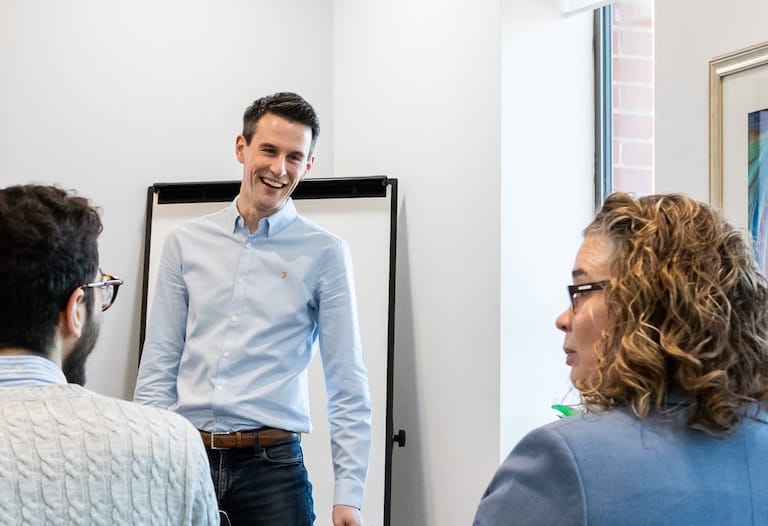
Faye is a hugely experienced learning and development professional with an incredible talent for compassionate leadership and communication.
Her experience and focus makes Faye the perfect person to lead and deliver our 1-2-1 communications training.

Frequently Asked Questions
Here are some of the most commonly asked questions about difficult conversations training from Further.

WHY?
Why should Managers be good at handling difficult conversations?
Managers that can bravely lead difficult conversations in a compassionate and collaborative way are much more able to:
- Resolve conflicts before they escalate.
- Build stronger, more trusting relationships.
- Reduce workplace stress and improve morale.
- Enhance team performance and collaboration.
- Strengthen your organisation’s culture of open communication.
THE CHALLENGE
How do I know if my managers need difficult conversations training?
If your managers or team leaders are experiencing any of the following challenges, it might be time to invest in handling difficult conversations training:
- Avoiding or delaying tough conversations, leading to unresolved issues.
- Struggling to give or receive constructive feedback.
- Experiencing conflicts that undermine team morale or performance.
- Lacking confidence in managing high-stakes conversations.
- Receiving feedback that communication lacks directness or clarity.

GOING FURTHER
What additional support will your people receive?
Following the training, all participants will receive follow-up notes and feedback, a personal online coaching session and access to our full library of communication skills resources.
This additional support is all focused on ensuring that the new skills that your team discover during the training are successfully applied in practice within their roles.


RESULTS
How is the success of the training measured?
We measure the confidence and competence of all learners before, during and after the training session.
The results are recorded, analysed and presented to you in an easy-to-read report.
Our goal is to ensure that all of the training that we deliver is as effective as possible and that you can clearly demonstrate the impact that your learning and development budget has achieved.
FURTHER READING
Not ready to book training just yet?
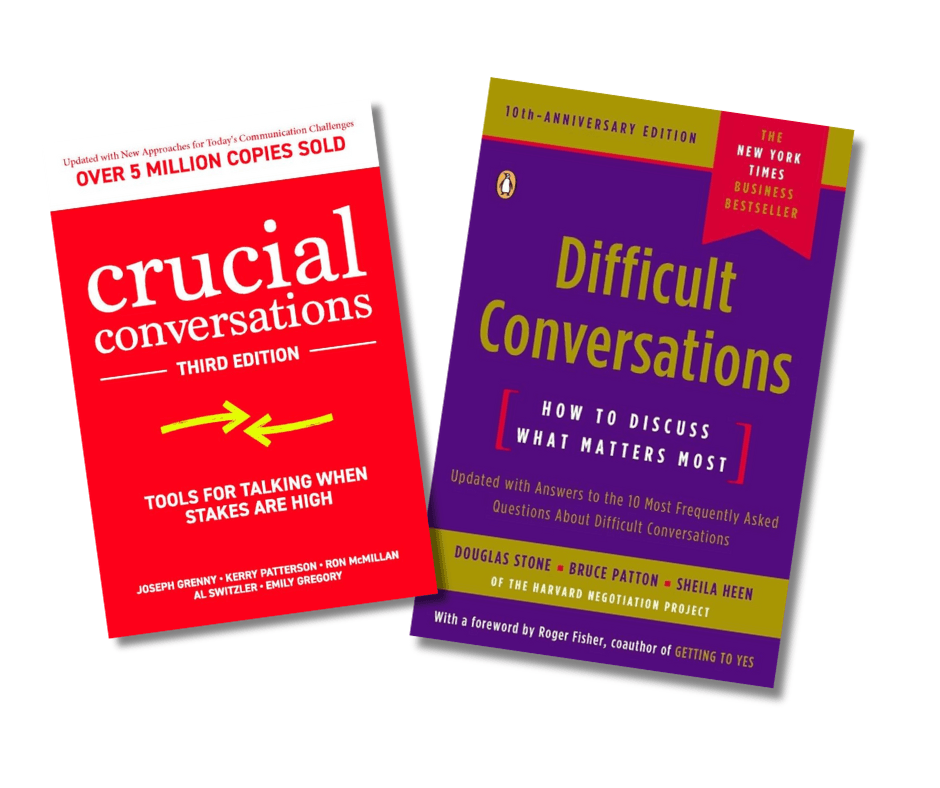
If you’re still exploring the value of difficult conversations training, here are two highly recommended books on the topic to inspire your thoughts:
"Crucial Conversations" by Kerry Patterson, Joseph Grenny, et al.
A comprehensive guide to handling high-stakes conversations with confidence and skill.
"Difficult Conversations" by Douglas Stone, Bruce Patton, and Sheila Heen
An insightful look at the art of navigating tough conversations at work and beyond.